


When the Funeral Is Over: Making Space for Grief in Caribbean Families
Caribbean communities have many traditions surrounding death. We gather, prepare food, hold wakes and nine nights, attend funerals and show up for families when someone passes away. These practices are meaningful expressions of culture, faith, and community. But there’s another part of grief that doesn’t always receive the same attention: what happens when the funeral is over, the visitors stop coming and everyone returns to their lives? The person grieving is still trying to figure out how to live with a loss that has changed everything.
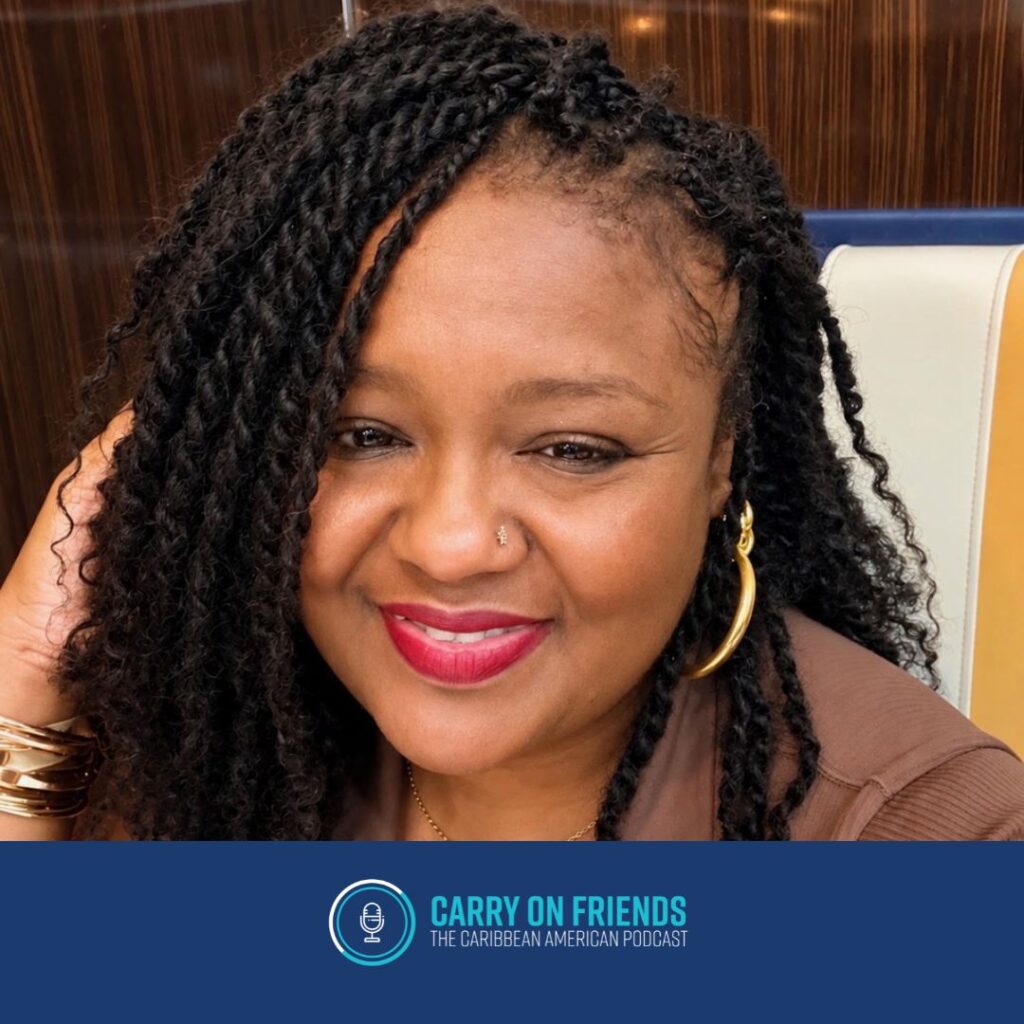
This is one of the central themes in my conversation with Shiyonne Chester, a Guyanese-born, Brooklyn-raised community builder who lost her son, Dallas Lamar, to sudden infant death syndrome (SIDS) in 2011. Dallas lived for three months and three days, and Shiyonne speaks about those months with deep love and affection. She also describes the years afterward, including the anxiety she experienced and the difficulty of finding therapists and support groups where she felt culturally understood. Her experience raises an important question: What does support look like when the people and services available to you don’t fully understand the cultural context of your grief?
Throughout our conversation, we return to something many Caribbean people recognize: the expectation to be strong. Strength and resilience are qualities we often celebrate in our communities, and with good reason. But sometimes that expectation leaves little room for people to acknowledge that they are struggling. There’s also the silence surrounding certain kinds of loss, including miscarriages, stillbirths, and the deaths of infants. Shiyonne describes discovering, only after losing Dallas, that other women in her family had experienced similar losses. Their stories had largely remained unspoken. It makes you wonder how our understanding of grief, and the support we offer one another, might change if these experiences were not kept so quiet.
For Shiyonne, these questions became part of the motivation behind the Dallas Lamar Project, a nonprofit she founded in her son’s memory. The organization offers community-centered peer grief support and is working toward connecting families with culturally responsive mental health and other care resources. But there’s also an important lesson here for people who aren’t grieving themselves. We don’t always have to know the perfect thing to say. We can learn to sit with discomfort, listen without making someone else’s grief about us, and recognize that how a person wants to be supported may change over time. Sometimes being present and giving grace is more meaningful than trying to find the right words.
One of the things that stayed with me from this conversation was Shiyonne’s encouragement to speak the names of children who have died. For her, talking about Dallas is an acknowledgment that he lived, that he was loved, and that he remains part of her family. This conversation invites us to think more carefully about how we make space for grief in Caribbean communities, not only in the immediate aftermath of loss, but long after the rituals are over.
Learn more about the Dallas Lamar Project
Website: https://dallaslamarproject.org
Instagram: https://www.instagram.com/dallaslamarprojectinc/
Grief Support Circle: https://dallaslamarproject.org/Our-Programs
October is Pregnancy and Infant Loss Awareness Month. October 15 is Pregnancy and Infant Loss Remembrance Day.
Stay Connected
Connect with @carryonfriends – Instagram | Facebook | YouTube
Enjoyed the show? Please remember to leave a rating and review in Apple Podcasts.
A Breadfruit Media Production: Instagram
